Open Source Culture and the Merch That Represents It
From GitHub stickers to coffee-stained hoodies, open source culture has always had a thing for wearable self-expression. Here's why your wardrobe might be the most honest representation of your developer identity.
Let's be honest: the open source community has a merch problem. Not a shortage of it — there's plenty. The problem is quality. Most swag falls into two categories: sad vendor booth giveaways with vendor logos the size of your face, or that one developer who got way too into designing their own print-on-demand line and now you're pretty sure they haven't slept since 2019.
But something interesting is happening. As open source has matured from "weird hobby horse for Linux enthusiasts" to "the entire modern software economy," the merch culture around it has matured too. And honestly? It's becoming one of the most interesting corners of developer culture to pay attention to.
The Open Source Ethos Wears Its Values
Open source isn't just a licensing model — it's a philosophy. The idea that good ideas should be shared, that collaboration produces better outcomes than competition, that transparency builds trust faster than any marketing campaign. These aren't just principles for code; they're principles for how communities function.
When you look at it that way, the connection to wearable culture makes a lot more sense. What is a t-shirt but a signal to your tribe? When you wear something, you're saying: this is what I believe, this is who I am, this is the crowd I run with.
The best open source merch doesn't just slap a project logo on a shirt and call it done. It captures the vibe — the inside jokes, the shared frustrations, the quiet recognitions that only fellow travelers would understand.
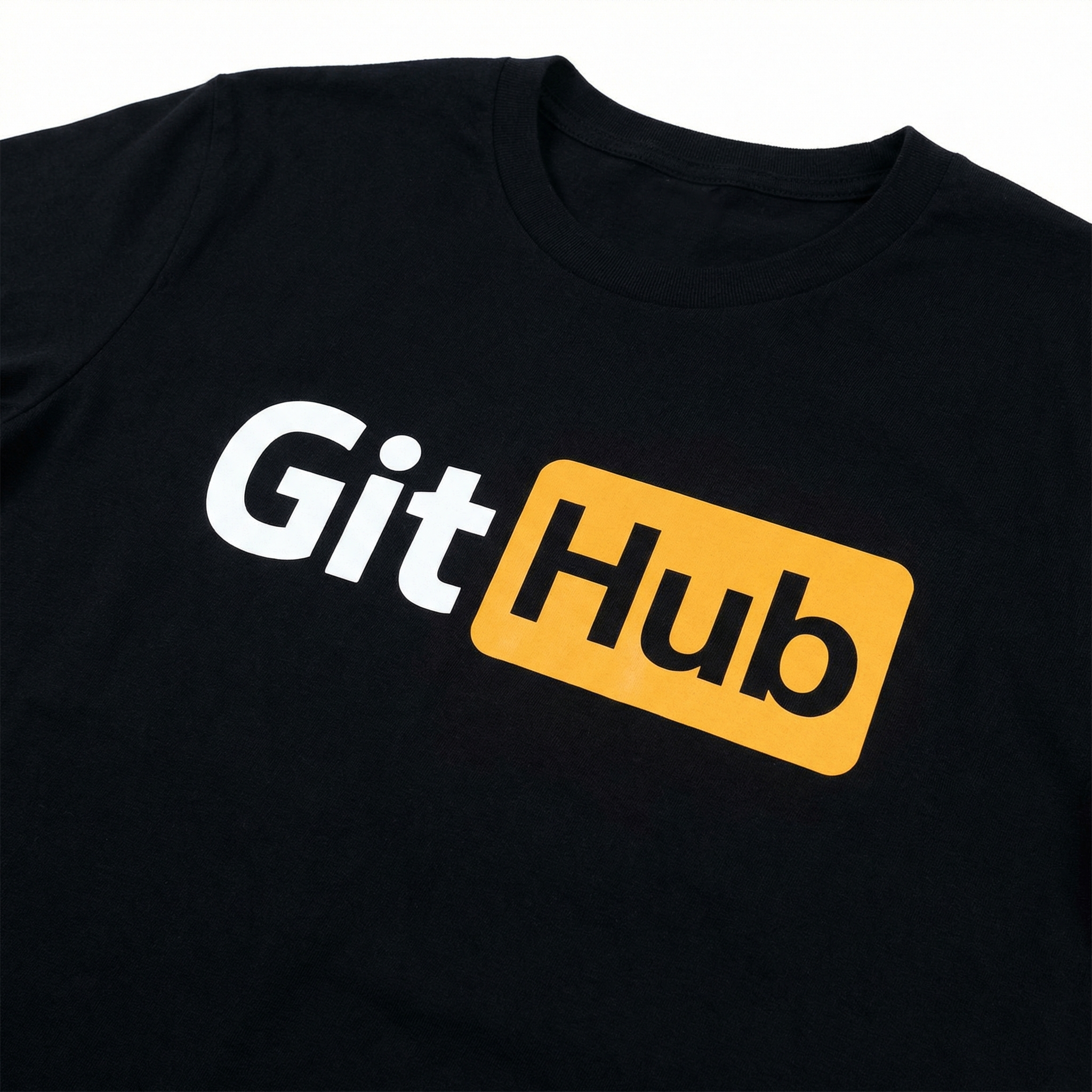
Take something like the github-parody design. You know the one. It's not trying to be official GitHub merchandise — it's riffing on the platform that has become, for better or worse, the de facto home of open source. It's the difference between wearing a band t-shirt you bought at a concert versus wearing a shirt the band gave you directly. One signals belonging; the other signals... compliance?
The Meme Economy of Developer Wearables
Here's a truth nobody talks about enough: developers communicate through memes the way previous generations communicated through music references. When you see someone wearing a shirt with a git rebase -i joke on it, you're looking at a person who has spent an unreasonable amount of time being frustrated by git. And that's a bonding experience.
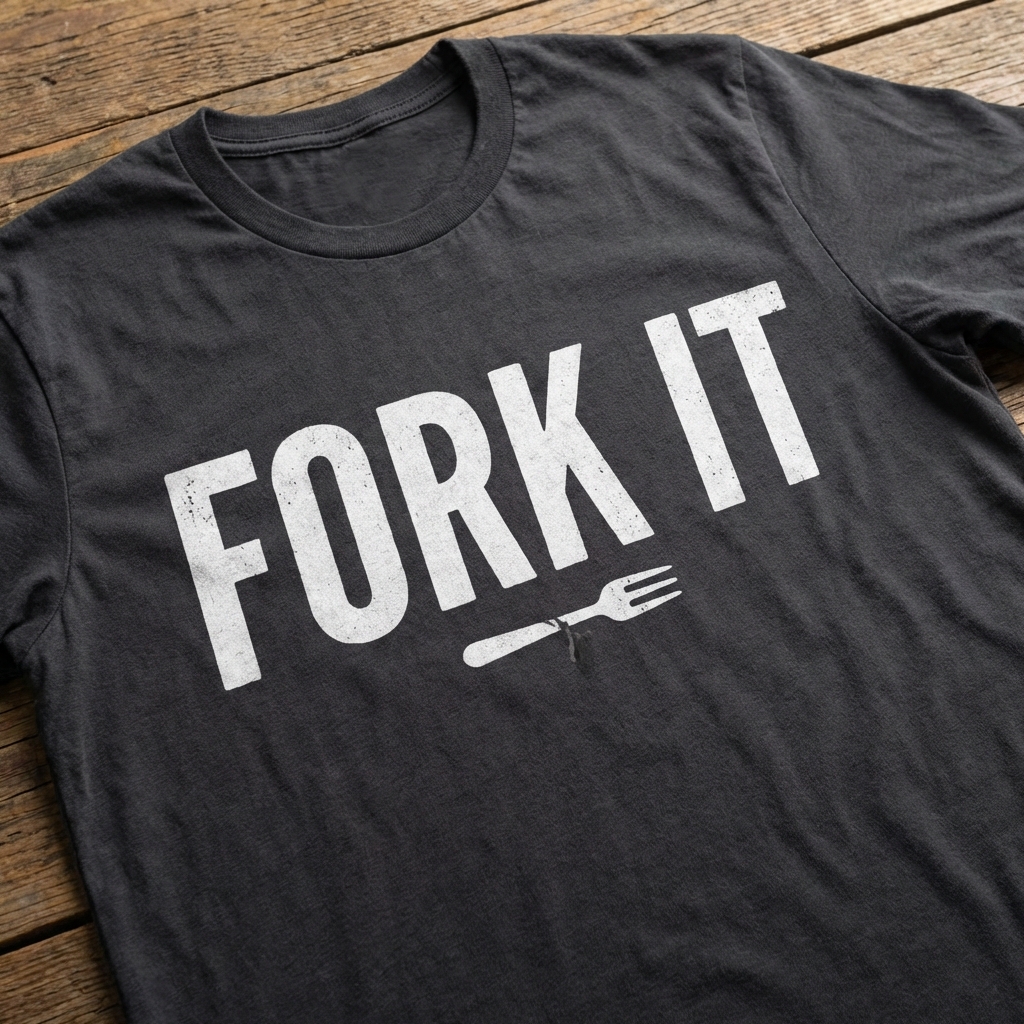
The `fork-it` concept is doing something clever here. Forking isn't just a technical action — it's a philosophy. It's the open source way of saying "I respect this enough to build on it, but I also think I can do something interesting with it." That's a wearable idea.
And honestly, developer culture has always understood this about each other. We bond over shared suffering. Late-night debug sessions. Production fires on Friday at 5pm. That one regex that almost worked but absolutely did not:
/^([a-zA-Z0-9._-]+)@([a-zA-Z0-9._-]+)\.([a-zA-Z]{2,})$/ # "I definitely understand email validation"When you wear something that references this shared experience, you're not just making a fashion statement. You're extending a handshake to a stranger and saying "yeah, me too."
Where the Funny Meets the Real
Here's where I think the best open source merch walks a fine line: it's genuinely funny, but it also has something real to say.
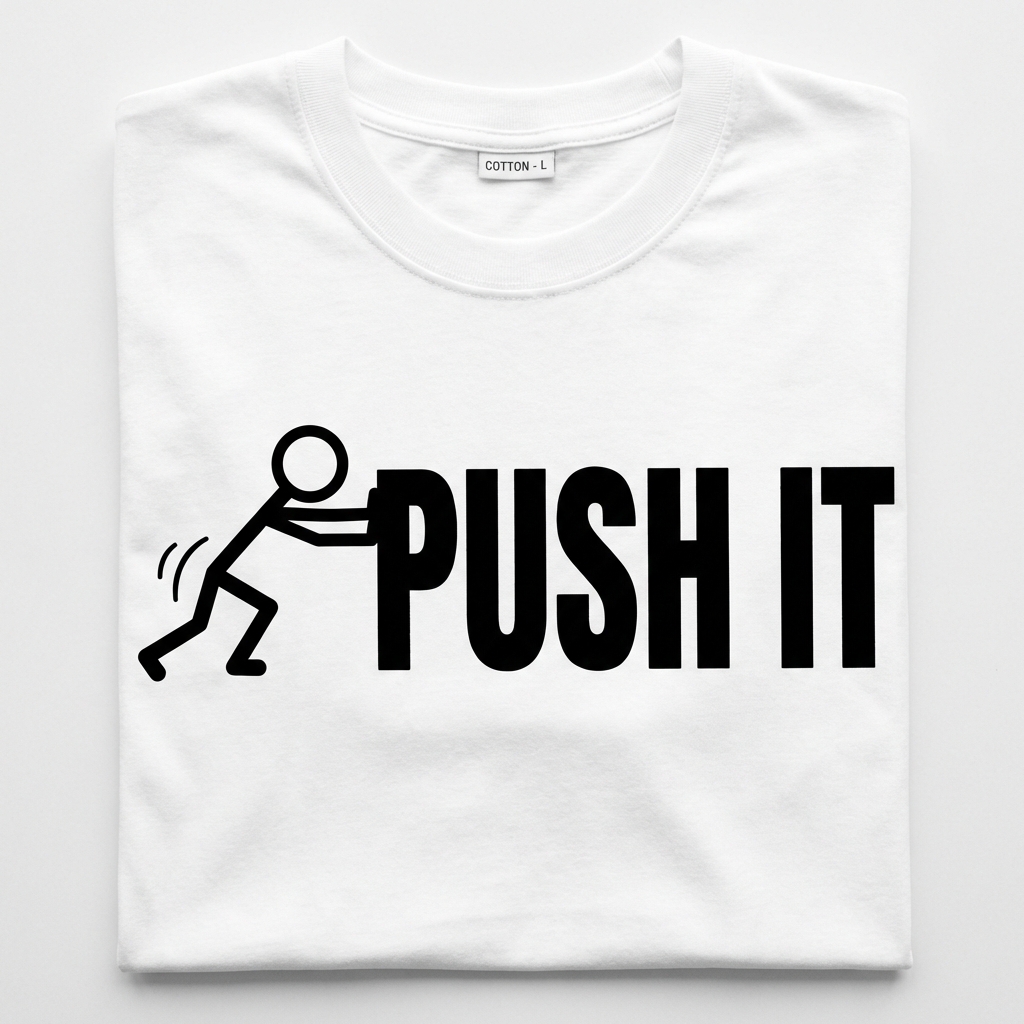
The push-it design walks this line well. On the surface, it's a play on the git command. But underneath? It's about momentum. About the idea that in open source, you don't wait for permission. You push. You contribute. You put your work out there even when it's not perfect, because perfect is the enemy of shipped.
That's an actual value — not just a joke. And I think that's what separates memorable developer merch from forgettable swag. The stuff that lasts is the stuff that treats its audience as intelligent people who can appreciate both the punchline and the subtext.
This is why I've always found the intersection of open source culture and fashion more interesting than it probably should be. It's a feedback loop. The community creates culture. The culture creates signals. The signals attract people who resonate with that culture. And around it goes.
The Commodification Problem (and Why It Matters)
Let's not pretend everything is great. Open source has gone mainstream in a way that would've seemed impossible twenty years ago. And mainstream means commercialization. Means "open source influencer" as a job title. Means companies with billion-dollar valuations patting themselves on the back for releasing code under MIT license while their marketing team writes blog posts about "giving back to the community."
Some of the merch culture has followed this money. And you can usually spot it a mile away. It lacks the rough edges. The inside knowledge. The sense that whoever designed it has actually been up at 2am trying to figure out why their CI pipeline is failing for the fourth time this week.
The best stuff — the stuff worth wearing — still comes from people who are in the trenches. Who understand that open source isn't a business model or a marketing strategy. It's a practice. A daily commitment to building in public, sharing freely, and trusting that the aggregate of many people contributing small improvements produces something greater than any single entity could build alone.
Representing the Reps
So yeah. Wear the merch. Wear the things that make you laugh and the things that remind you why you got into this field in the first place. The github-parody shirts and the fork-it hoodies and whatever push-it design speaks to you.
Just make sure it actually means something. Open source culture isn't about consuming — it's about participating. The best wearable culture around our community reflects that. It's not passive. It's not decor. It's a statement of participation.
And if you're going to represent, represent for real.
---
P.S. If you made it this far, you're probably the kind of person who'd appreciate a good tee that doesn't make you look like a walking vendor brochure. Just saying.