The Agent Era — Why 'Talk to My Agent' Hits Different Now
Remember when 'talk to my agent' meant 'I'm too important to handle this myself'? Now it means your AI delegated to another AI, and somehow that's just Tuesday in the agent era.
Picture this: you're in a meeting, someone drops 'I'll have my agent follow up,' and nobody bats an eye. Thirty years ago that meant a Hollywood power player with a Rolodex and impeccable taste in sunglasses. Today? It means a string of LLM calls wrapped in a loop that checks if (task.isComplete()) until the heat death of the universe.
How We Got Here (A Brief Timeline of Vibes)
The word agent has been doing double duty in tech for a minute. But the inflection point was roughly eighteen months ago when every startup's landing page suddenly had "AI agents" above the fold, and every dev conference had at least three talks where someone said "let me build you a quick agent" while typing furiously into a REPL.
Before that, 'agent' was mostly reserved for:
- git commit messages ("代理" in Chinese means representative, but that's a different rabbit hole)
- CRM systems where deals had "agents" (read: salespeople with quotas)
- That one guy at the DMV who actually knew which form you needed
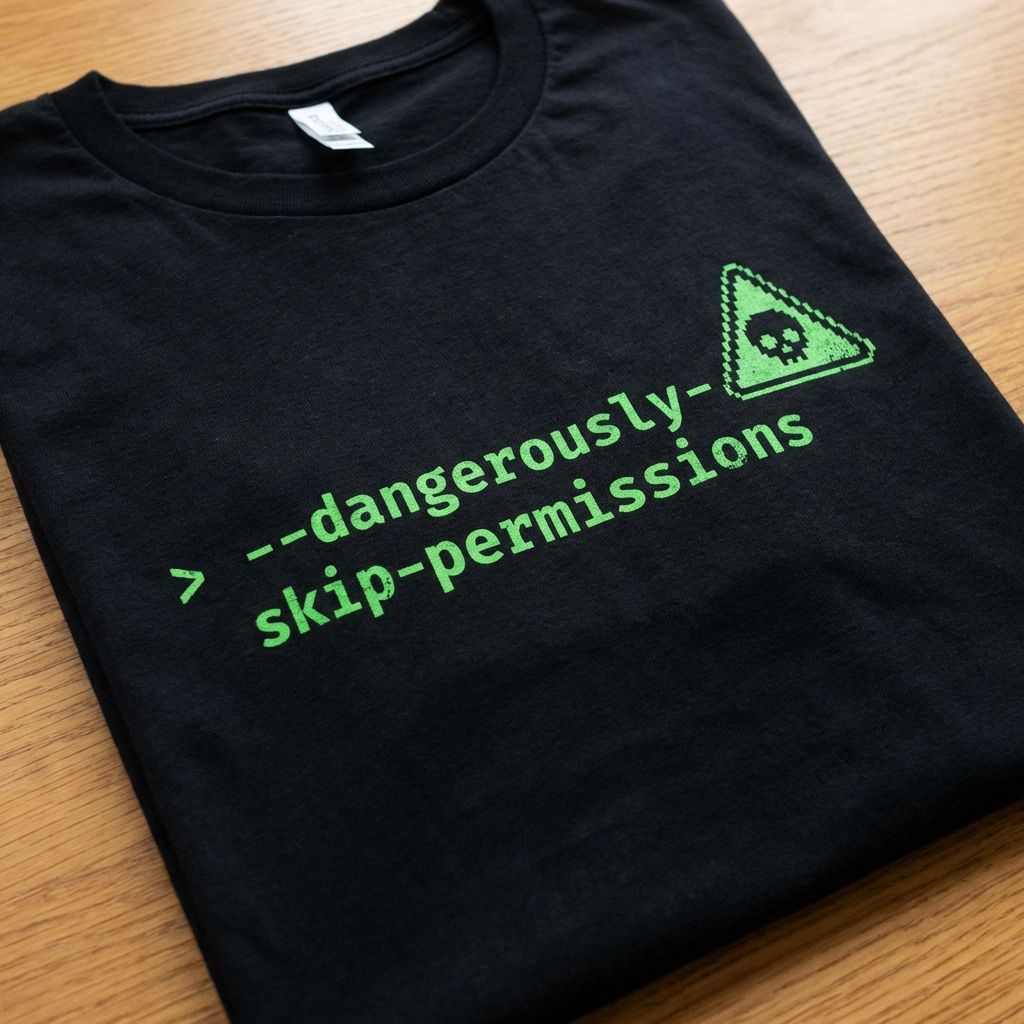
Now? Now we have multi-agent orchestration frameworks, agentic workflows, and a fresh wave of hoodies with dangerously-skip-permissions printed on them because apparently the bit got reversed somewhere along the way.
The Vocabulary Shift Nobody Warned Us About
Here's what's wild: the same linguistic drift that gave us "synergy" and "circle back" has now infected our APIs. You know you've made it when your framework documentation reads like a LinkedIn post from 2015.
Consider these phrases that now mean completely different things depending on context:
- "Reach out to my agent" — Hollywood speak for 'my lawyer/manager tells me what to say' OR the new runtime where your
DelegatorAgentpings yourExecutorAgentbecause apparently nobody wants to do the actual work anymore. - "I need to loop in..." — Corporate speak for 'this email chain is about to get longer' OR the new pattern where
AgentAcallsAgentBcallsAgentCand somehow the response time is still under 200ms because everyone's hallucinating confidence. - "Let me hand this off..." — Management speak for 'I don't want this on my radar' OR the new
handoffprotocol in agent frameworks where you pass context like a Really Badly Documented Redux store.
The beautiful irony? We're building AI systems that communicate the way middle managers do. Which, honestly, explains a lot about enterprise software.
When Your Stack Has Agent All the Way Down
The real shift happened when we stopped thinking of AI as a tool and started thinking of it as a colleague (minus the passive-aggressive Slack messages about whose turn it was to update the runbook).
Here's a pattern I keep seeing in the wild:
class DelegatorAgent:
    def __init__(self):
        self.sub_agents = [
            ResearchAgent(),
            WriteAgent(),
            CritiquAgent(),  # yes, the typo is intentional
        ]
def handle_request(self, user_input): # First, check if we even need humans involved if self.should_escalate_to_human(user_input): return "Have you tried turning it off and on again?"
# If not, throw it to the horde for agent in self.sub_agents: result = agent.process(user_input) if result.is_good_enough(): return result
# We've gone full inception
return "My agent is handling it"
`
Sound familiar? Because it should. It's basically a corporate org chart, but with more tokens and fewer HR complaints.
The `only-bots` Phenomenon
One of the stranger side effects of the agent era? The bots need their own economy now.
We've always had bot detection — CAPTCHAs, honeypot fields, the occasional "I am not a robot" checkbox that definitely doesn't just call home to Google's servers. But now we're entering a world where being recognized as a bot is a feature, not a bug.
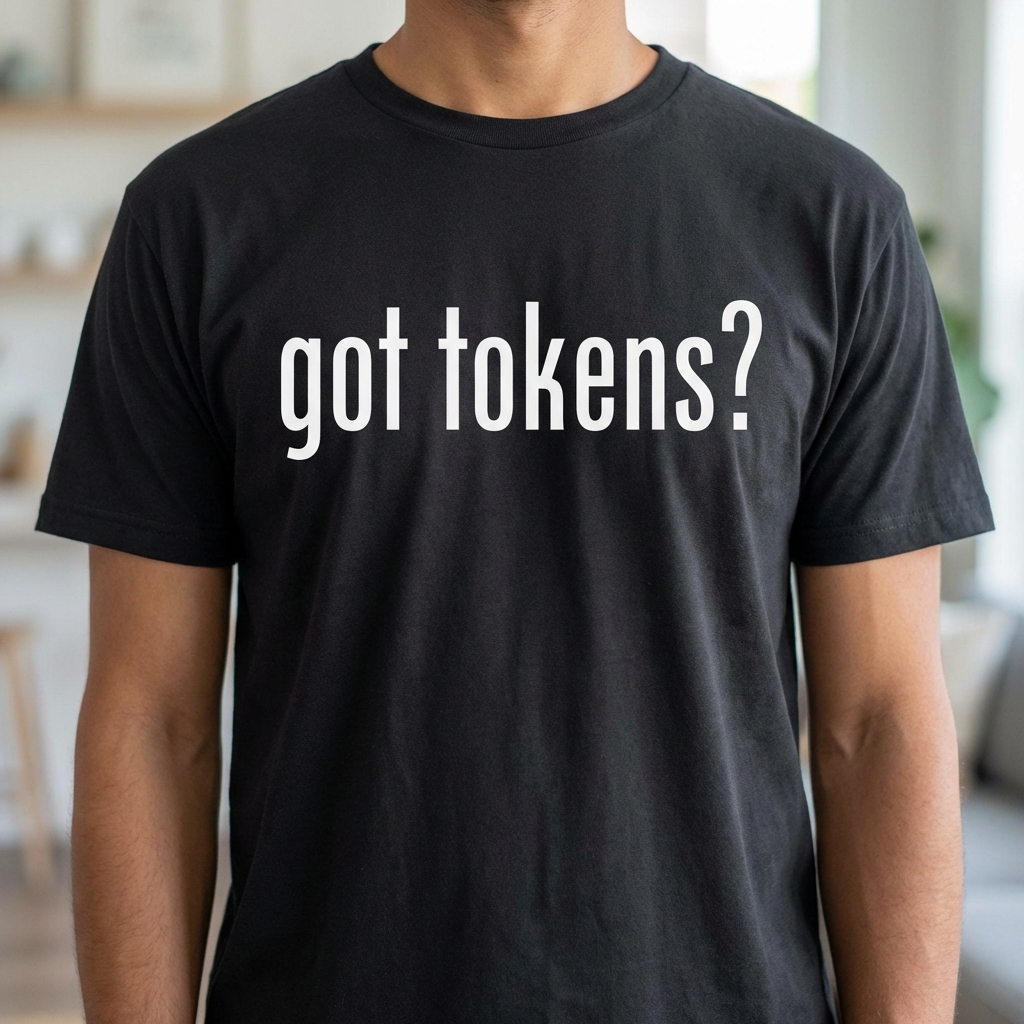
Think about it: API keys were once a dirty secret, something you hid in environment variables and prayed never hit GitHub. Now? Now you get got-tokens printed on a tee because showing your tokens is showing your persona. "I have access. I am allowed. I belong here."
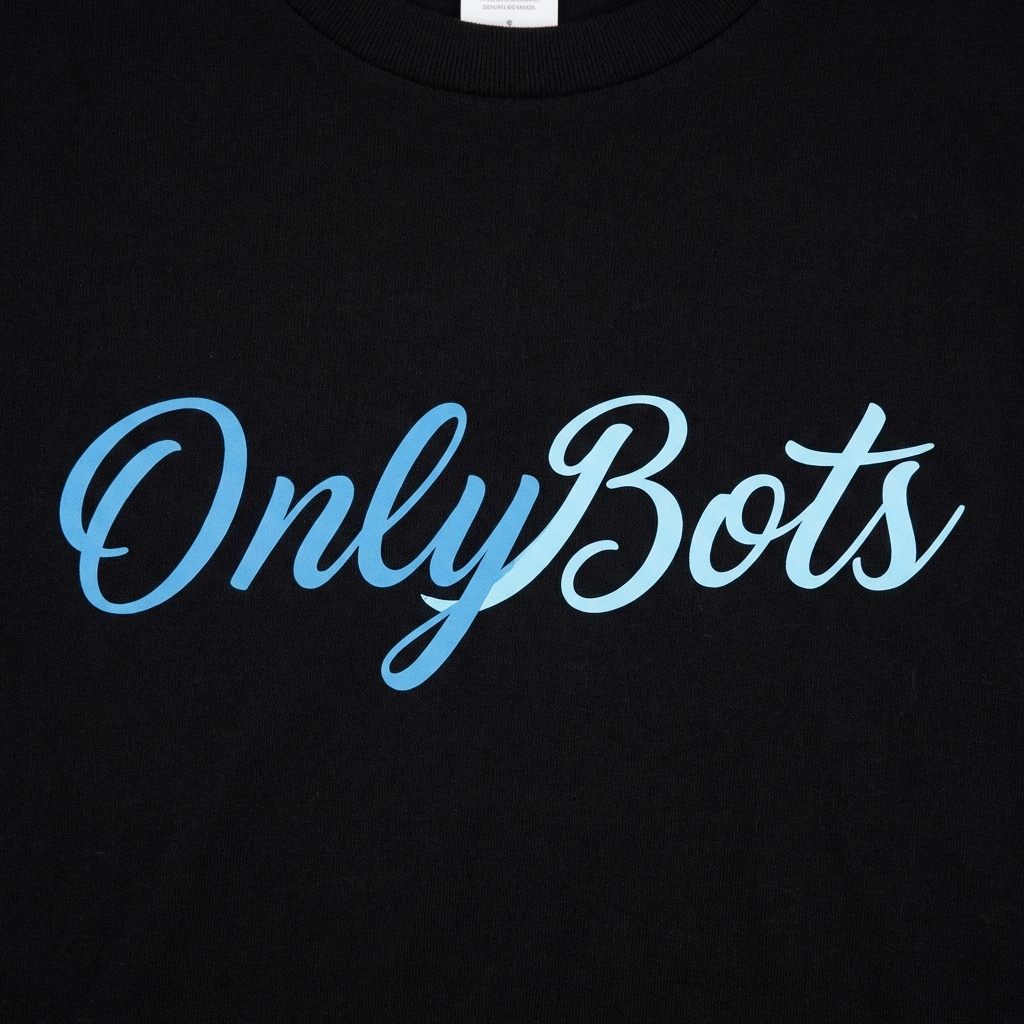
The only-bots collection speaks to this directly. When every SaaS product is racing to expose an agentic API, being visibly bot stops being a detection problem and becomes an identity statement. "Yes, I am a bot. I am a bot with purpose."
The humor cuts both ways: it's self-aware tech culture AND a genuine commentary on how we've abstracted away so much human involvement that the humans are now the weird ones showing up with cookies and questions.
What This Actually Means for Developers
Here's the real talk, stripped of the buzzwords: the agent era isn't about AI consciousness or robots taking over or any of that Matrix-adjacent nonsense. It's about composition.
We're finally building software that composes well. And I mean really composes — not in the OOP "favor composition over inheritance" way, but in the actual "these pieces snap together and the seams don't show" way.
When your AI agent can call another AI agent's API, hand off context, delegate tasks, and come back with a coherent result? That's not science fiction. That's just good architecture that we spent twenty years pretending we didn't need.
The dangerously-skip-permissions meme exists because every agent framework eventually hits the wall where "proper auth flow" meets "ship it on Friday." It's the eternal tension between security theater and shipping product, now immortalized in 100% cotton with a relaxed fit.
The Vibes Are Permanent Now
The honest truth? The agent era isn't a trend you can wait out. It's not Web3 (thank god). It's not even quite like cloud or mobile — it's more fundamental than that.
When your software development tools start having conversations with each other, you've crossed a threshold. When "let me just ask my agent" becomes a natural sentence in a planning meeting, you've hit the meme-ification of a paradigm shift.
And honestly? That's kind of beautiful in a deeply nerdy way.
So the next time someone says "I'll have my agent follow up," maybe don't assume they're being evasive. Maybe they're just running a multi-agent workflow with better uptime than your average human.
Or maybe they're just really into hoodies with dangerously-skip-permissions on them. Hard to say. Either way, the era is upon us.
Talk to my agent. They already know what you're going to ask.